In this article
Quick Summary
To sell Golden Age comics for the most money, have them evaluated by an experienced buyer before attempting any cleaning, pressing, or restoration. Comics published between 1938 and 1956 are scarce because paper drives and decades of wear destroyed most copies. Superman, Batman, and Captain America keys lead demand, but pre-Code horror, Good Girl Art, and crime titles can be just as valuable.
A Complete Guide to Selling Golden Age Comic Books
Published roughly between 1938 and 1956, Golden Age comics are the foundation of the hobby. They introduced Superman, Batman, Captain America, Wonder Woman, Captain Marvel, and countless other characters that still shape popular culture.
Because of their age, scarcity, and historical importance, Golden Age comics are among the most sought-after collectibles in the world. Even ordinary-looking books can be surprisingly valuable, and rare first appearances and pre-Code horror comics regularly bring five-, six-, and even seven-figure prices.
At Sparkle City Comics, we’ve been buying Golden Age comic collections since 1976, from single high-end keys to complete estates, warehouse discoveries, and original-owner collections untouched for generations. This guide covers what makes Golden Age comics valuable, how to prepare your collection, and how to get the most for it.
What Are Golden Age Comics?
Most collectors date the Golden Age from about 1938 to 1956, beginning with Action Comics #1 and the first appearance of Superman.
Unlike later eras that focused mainly on superheroes, Golden Age publishing covered a wide range of genres:
- Superheroes
- Crime
- Western
- Science Fiction
- Romance
- Funny Animals
- Jungle Adventures
- War
- Good Girl Art
- Horror
Many were printed during World War II, when paper shortages and wartime recycling sharply reduced the number of surviving copies, so truly scarce Golden Age comics keep getting harder to find.
Some of the era’s most famous books include:
- Action Comics #1
- Detective Comics #27
- Superman #1
- Batman #1
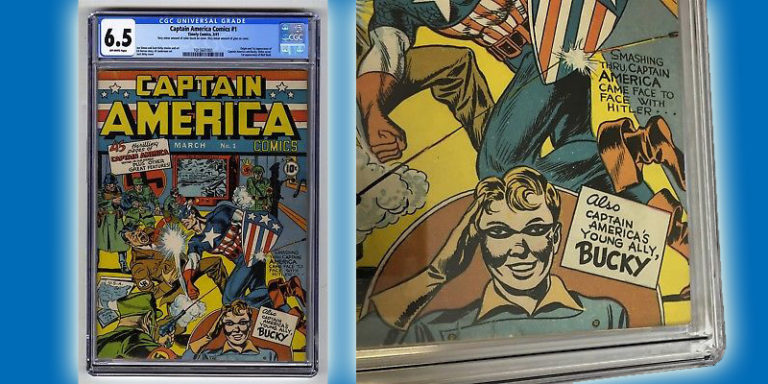
- Captain America Comics #1
- Marvel Comics #1
- Wonder Woman #1
- All-Star Comics #8
- Flash Comics #1
- Whiz Comics #2
Countless lesser-known Golden Age titles are also actively collected today.
The Golden Age Was More Than Superheroes
Superman, Batman, Captain America, and Wonder Woman helped define the era, but superhero comics were only a portion of what publishers produced between 1938 and the mid-1950s.
Publishers competed for newsstand space with crime, horror, westerns, romance, science fiction, aviation, war, jungle adventures, funny animals, detective mysteries, teen humor, and more.
Many of these genres now have passionate followings of their own. Books with memorable cover art, historically significant stories, or very low survival rates can be just as desirable as superhero keys.
Some of the most collectible Golden Age genres include:
- Pre-Code Horror – Creepy tales of monsters, ghosts, vampires, zombies, and supernatural terror, particularly from publishers like EC Comics.
- Crime Comics – Hard-boiled detective stories and true-crime inspired series that later became the focus of public controversy.
- Good Girl Art (GGA) – Beautifully illustrated covers featuring adventurous heroines, jungle queens, detectives, and romance characters by artists such as Matt Baker and others.
- Jungle Adventures – Popular series starring characters like Sheena alongside numerous Fiction House titles known for their striking artwork.
- War Comics – Patriotic stories reflecting World War II, often featuring memorable covers that continue to attract military history collectors.
- Science Fiction – Space exploration, alien invasions, and futuristic adventures that influenced generations of creators.
- Romance Comics – One of the best-selling genres of the late 1940s and early 1950s, with many issues becoming surprisingly scarce today.
- Funny Animals and Humor – Disney, Looney Tunes, and original funny animal titles remain popular with collectors, especially in high grades.
- Westerns – Cowboys, lawmen, outlaws, and frontier adventures were enormously popular during the Golden Age and continue to have dedicated collectors today.
One of the biggest surprises for first-time sellers is that a collection doesn’t need Superman or Batman to be valuable. Some of the strongest demand today is for Pre-Code Horror, Good Girl Art, crime, jungle titles, and early science fiction.
We’ve evaluated countless collections where the owner thought the superhero comics were the “important” books, only to find that an obscure horror issue, a Matt Baker cover, or a rare Fiction House publication was among the most valuable in the collection. That’s why every Golden Age collection deserves a thorough evaluation before anyone assumes its value.
Why So Few Golden Age Comics Survived
A common misconception is that Golden Age comics are valuable simply because they’re old. Age plays a role, but scarcity is what truly separates them from every era that followed.
Children in the 1930s, 1940s, and early 1950s didn’t buy comics as investments. At a dime apiece, comics were read repeatedly, traded among friends, taken to school, cut up for crafts, or thrown away once worn.
World War II made survivors even scarcer. Communities across the country held paper drives, and citizens donated newspapers, magazines, cardboard, and comic books to be recycled for military and industrial use. Millions of comics were lost this way.
Books that escaped the paper drives still faced long odds. Cheap newsprint deteriorated quickly, and countless comics were lost to attic heat, basement moisture, flooding, insects, house cleanouts, and ordinary wear.
For many issues, only a tiny percentage of the original print run survives today, especially in higher grades.
That rarity is a primary reason for their desirability. Icons like Action Comics #1, Detective Comics #27, and Captain America Comics #1 get the most attention, but collectors also aggressively pursue many lesser-known titles simply because so few copies survived.
We’ve purchased many original-owner collections that had sat untouched for seventy or eighty years. These discoveries are increasingly uncommon and often contain books that haven’t been on the market in decades, which is why we encourage anyone who inherits Golden Age comics to have them evaluated before assuming they’re just “old comic books.”
Why People Sell Golden Age Comics
Some collections have stayed with the original family since the 1940s; others were assembled by dedicated collectors over decades and passed to heirs.
We frequently work with families settling estates who find boxes of comics in attics, closets, or basements, sometimes untouched for fifty or sixty years.
Many sellers simply don’t know what they own, and a modest-looking collection may contain books worth far more than expected.
Before You Sell Your Golden Age Comics
Golden Age comics require especially careful handling.
Before selling your collection, avoid:
- Cleaning books yourself
- Amateur pressing
- Tape repairs
- Staple replacement
- Color touch
- Trimming edges
- Removing books from old storage simply to “improve” their appearance
- Throwing away original paperwork, receipts, or provenance
Many restoration attempts permanently reduce collector value.
If you’re unsure how to handle a book, leave it exactly as you found it until it has been professionally evaluated.
Organizing Your Collection
Before requesting an evaluation, organize your books by:
- Publisher
- Title
- Issue number
- Approximate publication year
- Graded vs. raw books
Keeping books grouped together makes it easier to spot complete runs, publisher groups, and overlooked rarities.
Should You Get a Professional Appraisal?
Because Golden Age comics vary dramatically in value, professional evaluation is often worthwhile. If your goal is to sell, an experienced buyer can usually provide a free market evaluation based on current collector demand.
Formal written appraisals are generally appropriate for:
- Estate planning
- Probate
- Insurance
- Divorce proceedings
- Charitable donations
- Legal matters
What Makes Golden Age Comics Valuable?
Professional buyers weigh many factors. Golden Age books also draw a remarkably broad buyer base: superhero fans, original art collectors, historians, military memorabilia enthusiasts, horror and romance collectors, and advertising historians all pursue different segments of the market.
Legendary Golden Age Publishers
DC and Timely (later Marvel) get the most attention, but collectors pursue dozens of Golden Age publishers, each with its own style, characters, and loyal collector base:
- DC (National Comics) – Superman, Batman, Wonder Woman, Green Lantern, The Flash, and the Justice Society, in titles such as Action Comics, Detective Comics, All-Star Comics, and Sensation Comics.
- Timely Comics (Marvel) – Captain America, Human Torch, Sub-Mariner, and Marvel Mystery Comics.
- EC Comics – Famous for Pre-Code Horror, crime, science fiction, and war comics that continue to set auction records.
- Fiction House – Renowned for stunning Good Girl Art, jungle adventures, and science fiction titles.
- Quality Comics – Home to Blackhawk, Plastic Man, and many classic Good Girl Art covers.
- Fawcett Publications – Captain Marvel (Shazam), Whiz Comics, and one of the most successful superhero lines of the Golden Age.
- Fox Features Syndicate – Publisher of Phantom Lady, Blue Beetle, and many sought-after Good Girl Art books.
- Harvey Comics – Before Casper and Richie Rich, Harvey published notable horror and superhero comics.
Dell and MLJ (Archie) are also widely collected. Many collectors specialize by publisher, so even lesser-known titles can be surprisingly desirable when scarce or in exceptional condition.
First Appearances
Many of the hobby’s most valuable and desirable books are first appearances, including:
- Superman
- Batman
- Wonder Woman
- Captain America
- The Flash
- Green Lantern
- Robin
- Joker
Scarcity
Scarcity often matters as much as character popularity. Many Golden Age books had small print runs, only a tiny percentage survive, and books from obscure publishers or short-lived series may be far rarer than famous superhero comics.
Pre-Code Horror and the Comics Code Authority
Pre-Code Horror is one of the most fascinating and collectible segments of the Golden Age. In the late 1940s and early 1950s, publishers such as EC Comics, Harvey, Fawcett, Ace, and others produced increasingly graphic horror, crime, and suspense comics featuring zombies, vampires, werewolves, murder mysteries, supernatural revenge, and shocking covers.
Titles such as:
- Tales from the Crypt
- Vault of Horror
- Haunt of Fear
- Crime SuspenStories
- Shock SuspenStories
- Weird Science
- Weird Fantasy
- The Thing
- Adventures Into Terror
remain some of the most sought-after comics ever published.
Their popularity made them controversial. In 1954, psychiatrist Dr. Fredric Wertham published Seduction of the Innocent (SOTI to collectors), arguing that horror and crime comics contributed to juvenile delinquency. The book drew wide media attention and led to highly publicized hearings by the U.S. Senate Subcommittee on Juvenile Delinquency.
Facing public pressure and possible government regulation, publishers created the Comics Code Authority (CCA) later that year. The self-regulating code prohibited or severely restricted excessive violence, graphic crime, gore, vampires, werewolves, zombies, and other supernatural themes.
Many horror titles were canceled almost immediately and others were toned down. Countless unsold copies were returned and destroyed, and many existing comics were discarded as public opinion turned against the genre.
Pre-Code Horror remains one of the strongest areas of Golden Age collecting, prized for striking covers, memorable stories, and a brief, influential period that ended almost overnight with the Code.
We’ve purchased everything from single EC classics to complete original-owner horror collections. Sellers often assume these are “just old horror comics” when they may be the most desirable books in the collection.
Good Girl Art
Good Girl Art (GGA) has one of the strongest, most dedicated followings in the hobby. Collectors pursue these books for exceptional cover art and talented illustrators rather than first appearances.
Fiction House, Fox Features, Quality Comics, and St. John Publishing were known for striking covers featuring adventurous heroines, jungle queens, detectives, aviators, and glamorous female leads. Popular titles include:
- Phantom Lady
- Jungle Comics
- Sheena
- Rangers Comics
- Fight Comics
- Wings Comics
- Planet Comics
- Jumbo Comics
Matt Baker stands out as one of the most celebrated artists of the era and one of the greatest Good Girl Art illustrators in comics history, known for elegant figure work, expressive storytelling, and beautifully composed covers. His work appeared across many publishers but is especially associated with Phantom Lady, Canteen Kate, and St. John Publishing’s romance and adventure titles.
Matt Baker covers rank among the most sought-after books of the Golden Age. High-grade examples routinely command significant premiums, and even lesser-known Baker issues often outperform comparable books.
Exceptional cover art can dramatically increase desirability with or without a major superhero or first appearance. We’ve bought many collections where sellers assumed they had “old jungle comics” or “romance comics,” only to find Matt Baker artwork or other classic GGA covers among the most valuable books.
Wartime Comics
World War II-era comics hold a unique place in comic book and American history. Covers featured patriotic imagery, battles, Axis villains, war bonds, and support for Allied troops.
Captain America, Superman, Batman, Wonder Woman, and many others fought Nazi Germany and Imperial Japan on covers, and Captain America did so before America officially entered the war. These are some of the most iconic images of the Golden Age.
Because they also appeal to military historians and World War II memorabilia collectors, books with memorable patriotic covers, significant historical themes, or high grades can command substantial premiums.
Condition and Restoration
Condition matters, but Golden Age comics are judged differently than newer books. Collectors often accept moderate wear because high-grade survivors are so scarce.
Professional buyers carefully examine books for:
- Restoration
- Color touch
- Trimming
- Married pages
- Spine repairs
- Tape
- Staple replacement
Because restoration can significantly affect market value, we recommend having valuable Golden Age books evaluated before attempting any cleaning, pressing, or conservation work.
Your Selling Options
| Selling Method | Speed | Potential Return | Fees | Best For |
|---|---|---|---|---|
| Dealer | Fast | High | None | Most collections |
| Consignment | Medium | Higher | Commission | Valuable collections |
| Auction House | Slow | Highest | Seller commission | Museum-quality books |
| eBay | Slow | High | Selling fees | Experienced sellers |
| Local Comic Shop | Fast | Varies | None | Small collections |
A single rare key may perform best at auction, while a complete estate may benefit from a direct purchase. The right approach depends on your goals, timeline, and the collection’s makeup.
How Sparkle City Evaluates Golden Age Collections
When reviewing a collection, we consider:
- Publication era
- Publisher
- First appearances
- Scarcity
- Historical significance
- Complete runs
- Condition
- Restoration
- Provenance
- Original-owner history
- Current collector demand
We evaluate the collection as a whole, not just the headline books. Some of our most valuable discoveries were hidden in boxes that first looked ordinary.
From Our Experience
After nearly five decades of buying Golden Age collections, we’ve learned no two are alike.
Some sellers call because they recognize a key like Captain America Comics #1 or Batman #1; others have no idea their inherited books are historically significant. More than once we’ve arrived expecting a handful of comics and found complete publisher runs, rare wartime books, or hard-to-find pre-Code horror titles that changed the collection’s value dramatically.
Provenance can matter too. Original-owner and family-owned collections, and books with documented histories, carry context collectors appreciate. Even old receipts, handwritten notes, or purchase records help tell a collection’s story.
The biggest misconception remains that only superhero comics have value. Pre-Code horror, Good Girl Art, crime, romance, jungle, and funny animal titles are among today’s strongest markets.
Helpful Guides for Comic Book Sellers
If you’re researching your collection, these guides may also help:
- How to Sell Silver Age Comics
- How to Sell Bronze Age Comics
- How to Sell Marvel Comics
- How to Sell DC Comics
- How Much Are My Comic Books Worth?
- Comic Book Consignment Guide
- Comic Book Appraisals
- Best Places to Sell Comic Books Online
Frequently Asked Questions
What years are considered Golden Age comics?
Most collectors define the Golden Age as approximately 1938 through 1956, beginning with Action Comics #1 and ending around the introduction of the Comics Code Authority and the emergence of the Silver Age.
Are all Golden Age comics valuable?
Not all are high-value, but many are far scarcer than later comics, and even lesser-known titles can draw strong interest depending on rarity, condition, publisher, and genre.
What are Pre-Code Horror comics?
Pre-Code Horror comics were published before the Comics Code Authority was established in 1954. Because many were destroyed or discarded following public controversy, surviving copies remain highly collectible today.
Should I have my Golden Age comics graded before selling?
Not necessarily. Many collections can be accurately evaluated without grading every issue, and an experienced buyer can recommend which books, if any, are worth submitting.
Should I clean or restore my Golden Age comics before selling?
Generally, no. Restoration, cleaning, pressing, or repairs performed without professional guidance can reduce collector value. Leave the books in their current condition until they’ve been evaluated.
What is an original-owner collection?
Comics bought new by one collector and kept by that person or family until sold or inherited. These collections often have consistent storage, complete runs, and a documented history collectors appreciate. Many of our favorite discoveries have been original-owner collections untouched for decades.
Ready to Sell Your Golden Age Comics?
Whether you’re selling a single Action Comics #1, a family collection of wartime comics, or an original-owner estate tucked away for generations, Sparkle City Comics can help.
Since 1976, we’ve purchased Golden Age collections of every size, from individual keys and museum-quality books to complete estates, warehouse discoveries, and original-owner collections nationwide. We’ll explain your options, answer your questions, and provide a free, confidential, no-obligation evaluation.
Contact Sparkle City Comics today to discover what your Golden Age comic collection may be worth.