
In this article
Quick Summary
Condition is usually the biggest driver of what a comic sells for: two copies of the same issue can sell for dramatically different prices depending on wear, eye appeal, and page quality. Comic book condition and value are linked so tightly that condition often matters more than rarity. We evaluate every comic individually against current market standards, not price guides, and advise when CGC grading makes sense.
When people ask, “How much is my comic book worth?”, the answer almost always depends first on condition. That is why understanding comic book condition and value is the first step toward an accurate evaluation.
Two copies of the same comic can sell for dramatically different prices because one was carefully preserved and the other shows years of wear.
Every week, Sparkle City Comics evaluates collections ranging from a handful of Golden Age keys to warehouse collections of tens of thousands of comics. Hundreds of thousands of books have taught us that two comics with the same numerical grade can perform very differently depending on eye appeal, page quality, and collector demand.
Rarity matters, but condition often has an even greater impact on what a collector will pay.
Why Condition Matters
Comic books were printed as inexpensive entertainment, not collectibles.
Most Golden Age, Silver Age, and Bronze Age comics were read, traded among friends, rolled up, stored in attics, or discarded entirely. High-grade surviving copies are often exceptionally scarce.
Collectors pay substantial premiums for well-preserved copies.
For many key issues, moving from mid-grade to high-grade can multiply value several times over.
The Same Comic, Different Values
Imagine two copies of Amazing Spider-Man #129, the first appearance of the Punisher. One has:
- Sharp corners
- Bright colors
- White pages
- Tight staples
- No creases
The second copy has:
- Heavy spine wear
- Creased cover
- Detached staple
- Small tears
- Yellowed pages
Condition Can Mean Thousands of Dollars
Though both are equally rare, a Good (2.0) copy may sell for a fraction of a Near Mint (9.4+) copy, a difference of many thousands of dollars.
Books like Amazing Fantasy #15, Fantastic Four #1, and Incredible Hulk #181 show dramatic price differences between grades, even when copies look similar to a casual observer.
That’s why experienced buyers evaluate each comic individually rather than relying on price guides.
What Determines Comic Book Condition?
Professional grading considers dozens of characteristics. The most important include:
Cover Quality
Collectors examine:
- Color brightness
- Gloss
- Creases
- Tears
- Missing pieces
- Writing
- Stains
- Fading
A clean, vibrant cover immediately increases eye appeal.
Spine Wear
The spine is one of the first areas collectors inspect. Common defects include:
- Spine ticks
- Stress lines
- Color breaks
- Staple tears
- Rolled spines
- Spine splits
Even small spine defects can significantly affect grade.
Corners & Edges
Sharp corners generally indicate careful storage. Blunted corners, edge wear, chips, and small tears all reduce condition.
Staples
Collectors examine whether staples are:
- Original
- Rust-free
- Secure
- Properly attached
Detached or rusted staples can substantially reduce value.
Interior Pages
The inside matters as much as the cover. Graders consider:
- Page color
- Brittleness
- Missing pages
- Coupons removed
- Writing
- Water damage
- Restoration
- Centerfold attachment
Page quality influences demand even among books with the same numerical grade.
Eye Appeal Matters
Eye appeal is how attractive a comic looks overall, and not every comic with the same grade looks identical.
Experienced collectors will choose the more attractive of two same-grade copies. Bright colors, clean centering, sharp registration, and strong presentation can command a premium.
Understanding Comic Book Grades
Grading standards are highly detailed, but most comics fall into a few general categories.
Understanding the CGC Grading Scale
| Grade | General Description |
|---|---|
| 9.8–10.0 | Near perfect |
| 9.0–9.6 | Excellent condition |
| 7.0–8.5 | Attractive collector copy |
| 4.0–6.5 | Moderate wear |
| 2.0–3.5 | Significant wear |
| 0.5–1.8 | Heavily worn but complete (where applicable) |
Professional grading involves far more nuance than a simple chart can capture…
Raw vs. Professionally Graded Comics
Many collectors submit valuable comics to CGC (Certified Guaranty Company), which assigns a standardized numerical grade and encapsulates the comic in a tamper-evident holder.
Professional grading can:
- Increase buyer confidence
- Standardize condition
- Improve liquidity
- Make online selling easier
- Increase value for certain books
However, for lower-value comics, grading costs may exceed any increase in value, so experienced evaluation is important before submitting.
Does Cleaning or Pressing Increase Value?
In some situations, yes. Professional pressing can remove non-color-breaking bends, wrinkles, and other defects, and cleaning may improve certain books.
Improper restoration or amateur repairs can reduce value significantly, so consult an experienced professional before attempting any work.
Restoration Can Affect Value
Collectors generally distinguish between:
- Professional conservation
- Restoration
- Amateur repairs
- Unrestored copies
Depending on its type and extent, restoration can reduce value even when a comic presents well. It is one of the most specialized aspects of evaluation.
Manufacturing Defects vs. Damage
Not every flaw is considered damage. Graders distinguish production defects such as:
- Printing defects
- Miswraps
- Off-center covers
- Printer creases
- Marvel chipping
- Distributor ink
- Manufacturing tears
Knowing which defects occurred during production and which happened after publication is an important part of grading.
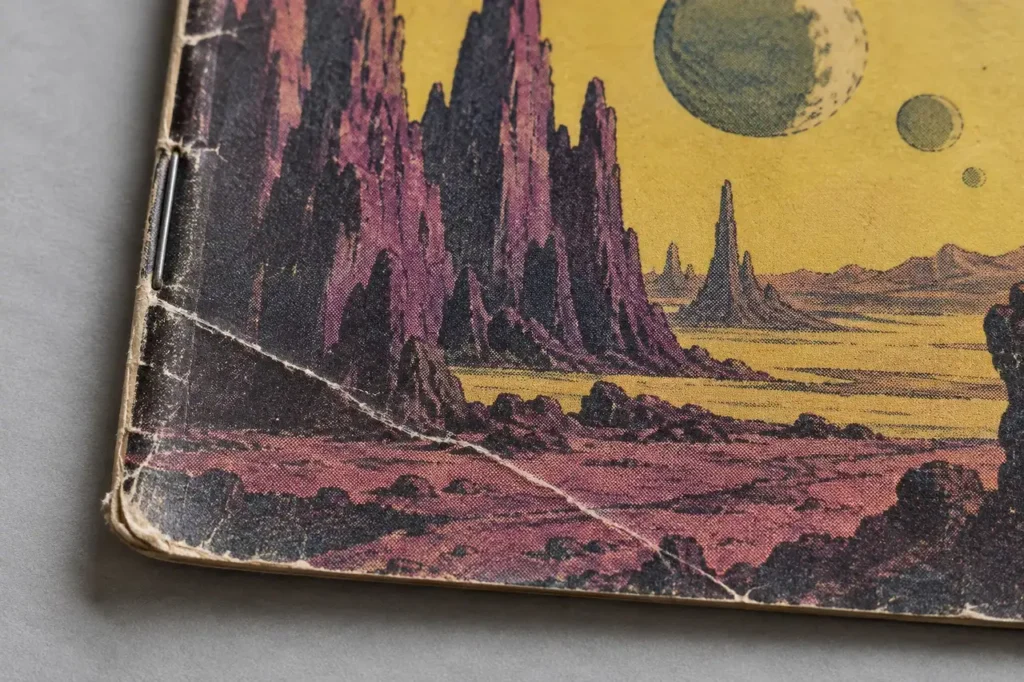
Storage Damage
Improper storage can dramatically reduce value. Common problems include:
- Moisture
- Mold
- Mildew
- Smoke odor
- Sun fading
- Foxing
- Water staining
- Heat damage
- Insect damage
Proper storage in archival bags and boards can preserve value for decades.
Condition Isn’t Everything
Condition is only one part of value. Other factors include:
- First appearances
- Key issues
- Print scarcity
- Historical significance
- Publisher
- Character popularity
- Current market demand
- Original owner provenance
- Pedigree collections
A low-grade copy of a major Golden Age key may still be worth far more than a modern comic in perfect condition.
Market Reality vs. Technical Grade
Technical grade and market value don’t always move together.
We’ve seen lower-grade copies of major keys draw intense bidding as affordable entry points, and high-grade comics sell for less than expected because demand for that issue was limited.
Not All Defects Affect Value Equally
Some defects have a much greater impact than others.
A tiny non-color-breaking bend may barely affect grade and can often be pressed out, while a detached centerfold, missing coupon, water damage, restoration, or trimmed edges can dramatically reduce grade and demand.
Two comics with the same number of visible defects may receive very different grades depending on severity, location, and type.
Should You Have Your Comics Professionally Graded?
It depends. Grading often makes sense for:
- Major key issues
- Golden Age comics
- High-grade Silver Age books
- Valuable Bronze Age comics
- Original comic art authentication (where applicable)
For most collections, grading every book is unnecessary.
An experienced evaluation can determine which comics benefit from grading and which are best sold raw.
The Most Common Mistakes Sellers Make
Before selling a collection, avoid:
- Cleaning comics with household products
- Repairing tears with tape
- Pressing books yourself
- Removing staples
- Writing prices on covers
- Storing comics in damp basements
- Throwing away damaged books (they may still be valuable)
How Can I Tell What Condition My Comic Is In?
Quick Self-Evaluation Checklist:
Is the cover still glossy?
Are all the staples attached?
Does the comic lie flat?
Are there any creases that break color?
Is the centerfold attached?
Are any pages missing?
Is there writing on the cover or interior?
Is there evidence of water damage, mold, or mildew?
Have any repairs been made?
How Sparkle City Comics Evaluates Condition
Our condition evaluations are based on decades of buying, selling, consigning, grading, and appraising comic books.
Whether we’re purchasing a collection, preparing consignments, recommending CGC submissions, or writing appraisals, every comic is evaluated individually against current market standards, not price guides.
Our goal is to help you understand what you own and choose the strongest approach.
Frequently Asked Questions
Does a Small Crease Reduce Value?
Yes. Even minor defects can affect grade and value, particularly on high-grade comics.
Should I Clean My Comics Before Selling?
Generally, no. Improper cleaning can permanently damage a comic and reduce its value.
Does CGC Grading Increase Value?
Sometimes. Grading increases buyer confidence, but not every comic gains enough value to justify the cost.
Are Low-Grade Key Comics Still Valuable?
Absolutely. Many important Golden Age and Silver Age keys remain highly desirable in lower grades.
Can You Help Determine Whether My Comics Should Be Graded?
Yes. We regularly advise collectors on which books may benefit from professional grading before selling.
Should I Remove My Comics From Their Old Bags?
Usually, no. Older bags and boards help preserve a comic until it can be evaluated. Unless they are deteriorating or causing damage, leave the books as they are until inspected.
Final Thoughts
Condition is one of the most important factors in comic book value, but never in isolation. The most accurate evaluations combine it with rarity, historical significance, collector demand, and current market activity.
If you’d like an experienced opinion on your collection, Sparkle City Comics can help evaluate your comics, recommend whether professional grading makes sense, and explain the selling options available, from direct purchase to consignment.


